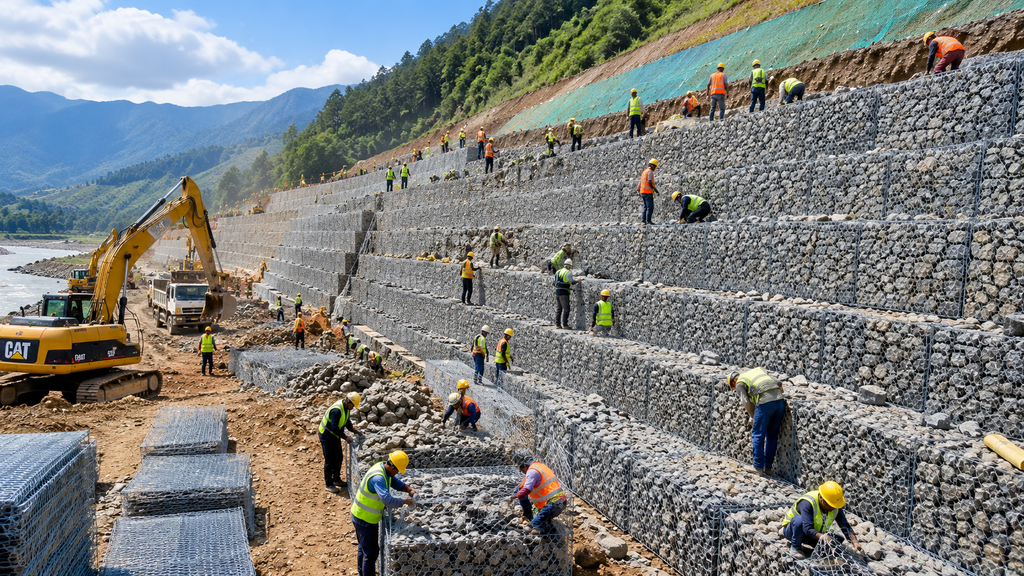


Excavation in Pakistan: Costs, Methods and Expert Tips
Excavation in Pakistan Every building in Pakistan starts with a hole in the ground. The fancy name for that hole…

JKC is Government register Construction company.
JKC is Constructing in Islamabad, DHA, Bahria Town, Rawal Pindi, Texala, Peshawar and more Pakistani cities contact us for better construction.
 jkcconstruction.adventrova.com - On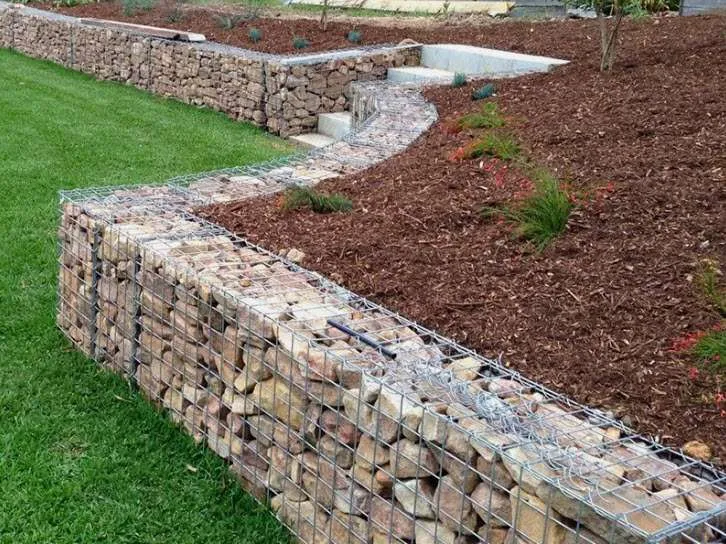
Let’s be honest, a plain fence has never made anyone say “wow.” A gabion wall is different. It is just a wire mesh basket filled with stones, but somehow it looks like something a fancy landscape designer charged you a fortune for. And you can build one yourself over a weekend, as long as your back cooperates.
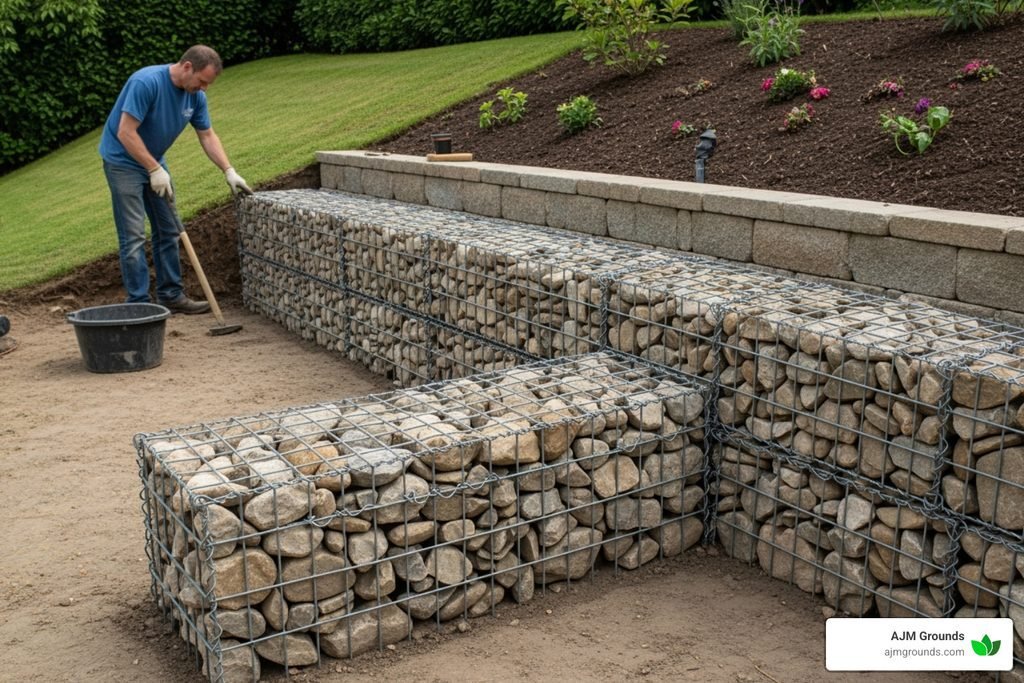
If you are wondering what a gabion wall is, it is a stack of galvanized steel cages packed with rocks. Water drains right through it, the stones lock together, and the whole thing stays put for decades. Compared to an RCC wall, it is cheaper, faster to set up, and needs no curing time. With concrete you stand around for days sprinkling water on it like a worried parent. With stone cages you just fill them and walk away.
Every good gabion wall starts with a level base, and a level base means some excavation work. For a normal garden wall, you only need to dig a shallow trench, usually around 20 to 30 cm, and compact the soil well. Skip this step and your wall will lean like a tired tourist.
One more thing. If you have sewerage work lines or drainage pipes running through your garden, find out exactly where they are before you dig. Do not build over them. Nobody wants to explain to a plumber why there is a 2-tonne stone wall on top of the problem.
The most popular gabion wall is a simple straight boundary. Stack two or three cages, fill them with neat grey stone, and you have a fence that looks modern and never needs painting. Your neighbours will ask who did it. Take the credit.
Swap wooden sleepers for stone-filled cages around your vegetable patch. Wood rots, and stone does not care about rain. Your tomatoes get a strong home, and you get to feel like a proper gardener even if you forget to water them.
Got a slope that keeps sliding into your lawn? A gabion wall can hold it back, and the gaps between the stones let water pass through, which reduces pressure behind the wall. An RCC wall can do this job too, but it needs drainage holes and a lot more work. For small garden slopes, stone cages are the easier option. For anything taller than about a metre, please ask an engineer.
Make one long cage, fill it, and top it with a wooden plank. Now you have a bench that will outlive your patio furniture. Warning: it is not very soft, so keep a cushion handy.
Put a gabion wall near the edge of your seating area and let ivy or jasmine climb through the stones. In a year or two, you get a green wall with a stone skeleton. It blocks the view of nosy neighbours without looking like a fortress.
Stone cages look great around a fire pit. Just use dry, heat-friendly stone like granite or limestone. Wet river stones can crack under high heat, and a cracking stone at a barbecue party is not the kind of entertainment you want.
Let water trickle down a gabion wall and you get a calm, natural look that feels like a small mountain stream in your back garden. It also covers the pump and pipes nicely, so nobody sees the messy parts.
Choosing the Right Stone
Pick stones that are bigger than the mesh openings, or they will fall right out. Most people use stones between 80 and 150 mm. Local stone is usually cheaper and blends in better with your garden. Fill the cages carefully, packing the front face by hand so it looks neat. This is the slow part, and honestly it is a bit like playing Tetris with rocks.
What About the Cost?
A gabion wall usually costs less than an RCC wall, mainly because you do not need cement, shuttering, or a long wait. The biggest costs are the stone and delivery, so shop around. Prices change by region, so get a couple of quotes before you order.
Most failures happen because of a weak base, thin mesh, or poor stone choice. Do not skip the compacting, do not use cheap uncoated wire in wet areas, and do not overfill the baskets until they bulge. A bulging cage is a cage that is already complaining.
A gabion wall is one of the few garden projects that looks expensive, lasts long, and does not demand constant attention. Pick one of the ideas above, plan your base properly, and keep an eye out for any pipes underground. Do that, and you will have a garden feature that looks good and actually does its job.