Gabion Wall: 7 Stunning Design Ideas for a Durable Garden
Gabion Wall Let’s be honest, a plain fence has never made anyone say “wow.” A gabion wall is different. It…
JKC is Government register Construction company.
JKC is Constructing in Islamabad, DHA, Bahria Town, Rawal Pindi, Texala, Peshawar and more Pakistani cities contact us for better construction.
 jkcconstruction.adventrova.com - On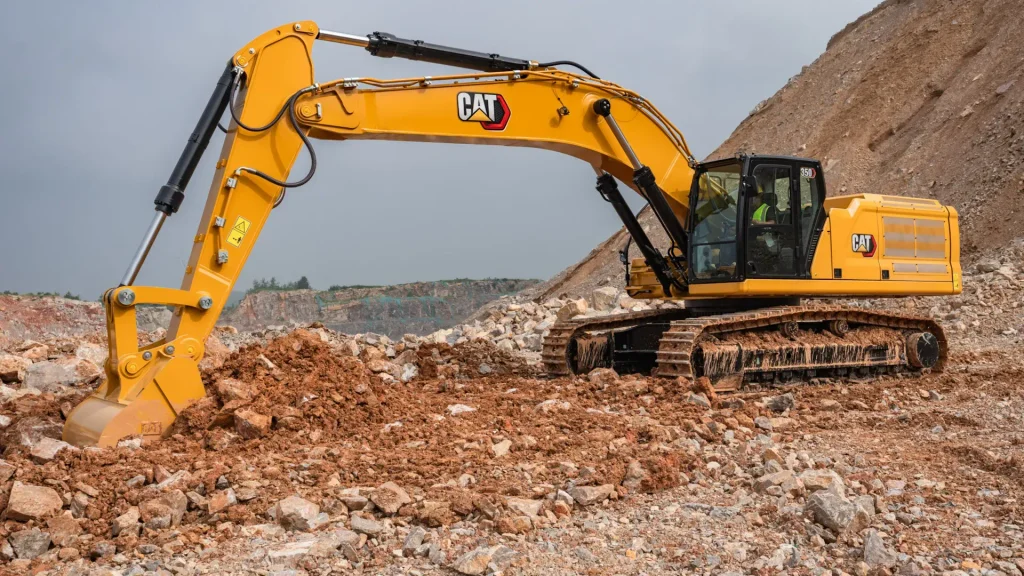
Every building in Pakistan starts with a hole in the ground. The fancy name for that hole is excavation. Nobody posts it on Instagram, but get it wrong and your shiny new house will lean like it had a long night.
This guide comes from JKC Construction Company, a government registered company that has been working in this field for 25 years. In that time we have dug through soft soil, hard clay, rock, and a few plots where the map said one thing and the ground said another. So when we talk about excavation, we are not guessing.
Excavation simply means removing soil, sand or rock to prepare a site. It is done for foundations, boundary walls, water tanks and drain lines. The idea is simple, but the details decide whether your building stands for 50 years or 5.
Manual digging. Still popular for small plots and narrow lanes where a machine cannot fit. You get labourers, shovels, pickaxes and a lot of chai. It is cheap for small jobs and painfully slow for big ones.
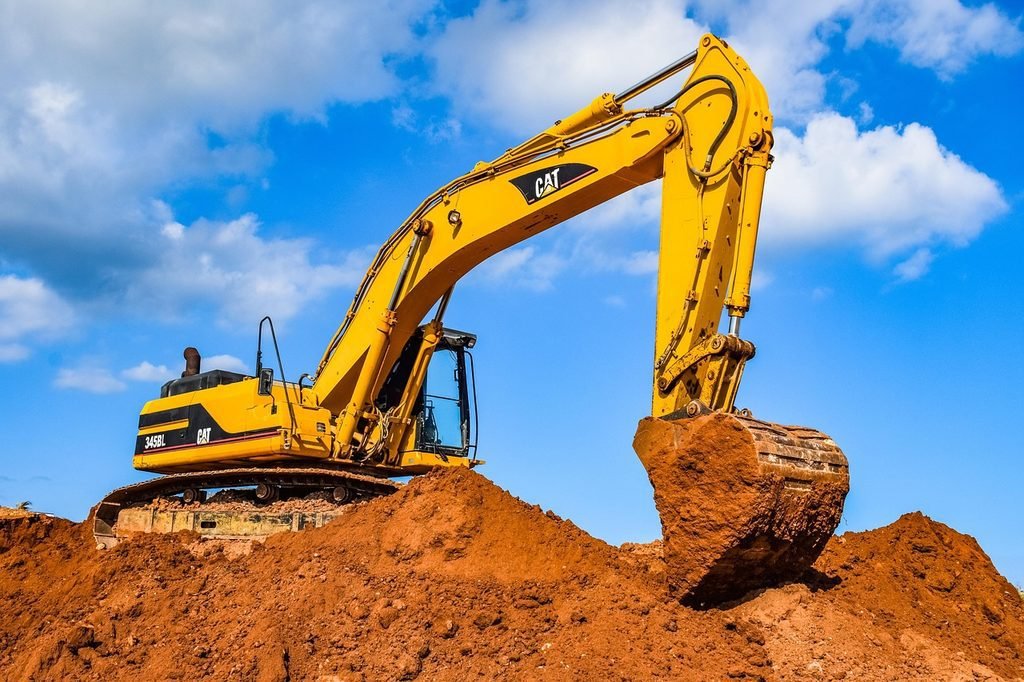
Machine digging. An excavator or backhoe loader does in one day what a crew does in a week. For anything bigger than a small house, this is the sensible choice. The machine never asks for a tea break, but it drinks diesel like it is going out of fashion.
Rock cutting. In hilly areas like parts of KP and Gilgit-Baltistan, hard rock needs breakers or controlled blasting. Leave this to licensed professionals. Please do not try it with enthusiasm and a YouTube video.
Trench digging. These are narrow, deep cuts for pipes and cables. This is where sewerage work usually comes in, and it needs a proper slope so the water actually flows the way it should.
Excavation cost mostly depends on four things:
Rates change by city and fuel prices, so check current local rates and get at least two quotes. Also ask whether the price includes shifting the soil. Some contractors forget to mention that part until your front yard looks like a small mountain.
Before any excavation starts, find out where the underground services run. That means gas lines, water pipes, electric cables and old sewerage work lines, especially in older neighbourhoods where nobody kept a map. Hitting a gas pipe is a very fast way to become the main story on the evening news. Ask your neighbours and the local authority, and mark everything on the ground before the first bucket goes in.
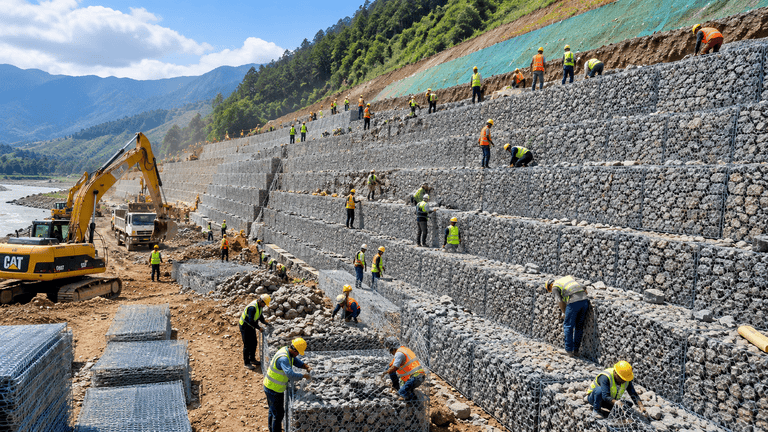
The trench depends on the wall you plan to build. An RCC wall needs a deeper, wider trench because it holds steel bars and a concrete footing, and then you wait for the curing to finish. A gabion wall is much more relaxed. It needs a shallow, level trench with well-compacted soil, since stone cages are flexible and let water drain through. That is why a gabion wall is popular for gardens and small retaining jobs, while an RCC wall is the usual pick for taller, heavier structures. We have built both over the years, and for anything above a metre or so, we always want an engineer involved.
The most common excavation mistake is digging first and planning later. Others include going too deep, going too shallow, ignoring underground pipes, and leaving open trenches unprotected. An open trench with no warning sign is basically a free test of your neighbour’s reflexes. Fence it off, light it up at night, and keep children and animals away.
With 25 years of field experience and government registration, JKC Construction Company handles excavation, sewerage work, gabion wall and RCC wall projects with proper planning and honest quotes. We would rather tell you the real cost on day one than surprise you later. Experience is the one thing you cannot rent by the hour.
Good excavation is boring, and that is exactly how you want it. Check what is underground, pick the right method, get honest quotes and never rush the base. Get this part right, and every wall you build on top of it, whether RCC wall or gabion wall, will thank you for years.
1. What is excavation?
It is the process of digging and removing soil or rock to prepare land for construction, drainage, or other work.
2. How much does excavation cost in Pakistan?
It depends on soil type, depth, area, machine hire and soil disposal. Prices vary by city, so get a few current quotes before you decide.
3. Is machine digging better than manual digging?
For large areas, yes. It is faster and often cheaper overall. Manual digging suits small plots and tight spaces.
4. Do I need permission before digging?
In many areas you need approval from the local authority, especially near roads or public utilities. Check the rules for your city first.
5. How deep should excavation be for a house foundation?
It depends on soil strength and the building load. A structural engineer should decide the depth for your site.
6. Can I dig near sewerage work lines?
Only with great care. Locate the lines first, keep a safe distance, and never build directly over a sewer.
7. What is the best season for digging?
Dry months are best. Heavy rain can flood trenches and weaken the soil.
8. Is a gabion wall cheaper than an RCC wall?
For small garden and retaining jobs, usually yes. It needs less digging, no cement and no curing time.
9. Is JKC Construction Company government registered?
Yes. JKC Construction Company is a government registered company with 25 years of experience in this field.
10. How long does the work take?
A small house plot can take a few days with a machine. Larger or rocky sites take longer.